
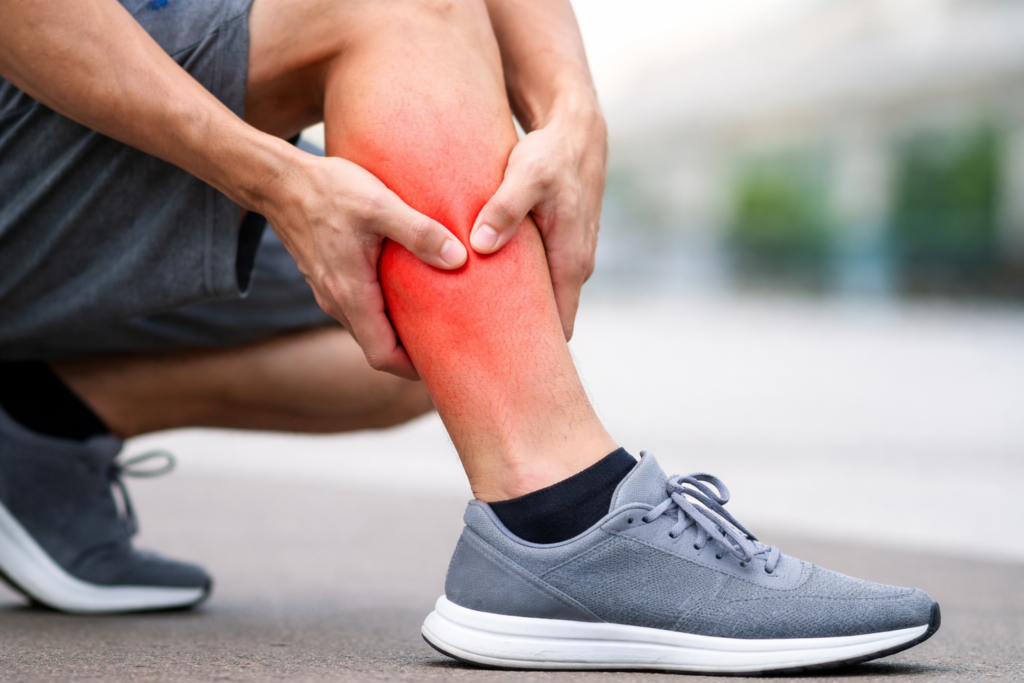
Soleus muscle pain is one of the most commonly overlooked causes of lower-leg discomfort. I see this frequently in people who come in describing a vague ache in their calf, unsure why the pain feels deep, persistent, or worse at the end of the day rather than during intense activity. Because the soleus muscle sits deep in the calf and works quietly in the background, its role in pain is often misunderstood or missed entirely.
Most people automatically label any pain in the back of the lower leg as “calf pain.” In doing so, they assume the problem lies in the larger, more visible calf muscle. While that muscle can certainly be involved, the soleus behaves very differently. It supports posture, stabilizes the ankle, and remains active almost constantly. When pain is coming from the soleus, it often feels dull, heavy, or hard to pinpoint, which is why many people stretch, massage, or rest the wrong area without real improvement.
What makes soleus muscle pain particularly frustrating is how quietly it affects daily life. It may not stop you from walking, standing, or exercising outright, but it slowly makes these activities uncomfortable. Many people notice discomfort building during long walks, prolonged standing, or toward the evening. Sleep can also be affected, as the muscle tightens or aches once the body finally rests. Because the pain develops gradually, it is easy to dismiss it until it starts interfering with comfort and routine.
In this guide, I want to help you understand what is really happening in your lower leg. You will learn what the soleus muscle does, why pain in this muscle feels different from other calf problems, how to recognize it accurately, and what typically causes it. I will also walk you through practical, supportive ways to manage discomfort, support recovery, and reduce the chances of this pain returning.
I am explaining this the same way I would to someone sitting across from me who wants clarity, not quick fixes. I see soleus-related pain often, and with the right understanding and approach, most people are able to manage it very effectively. Along the way, I will also discuss practical solutions that support muscle relaxation and recovery, including natural, topical options that can be part of a well-rounded care routine.
My goal is to give you both knowledge and direction. By the end of this article, you should feel more confident about what your pain means, how to respond to it, and how to support your muscles in a way that fits naturally into daily life.
Anatomy of the Soleus Muscle: Understanding the Muscle Behind the Pain
To understand why soleus muscle pain behaves the way it does, it is important to first understand the anatomy of this muscle. In my experience, once people grasp where the soleus is located and how much work it performs each day, many of their symptoms begin to make sense. Pain feels far less confusing when you understand the structure responsible for it.
Where the Soleus Muscle Is Located
The soleus muscle is a deep muscle in the calf, positioned underneath the more visible outer calf muscle. Because it sits beneath the surface, it is not easy to see or feel, which is one of the main reasons it is often overlooked when pain develops in the lower leg. Many people press on the calf expecting to find a tender spot near the surface, only to feel unsure where the discomfort is actually coming from.
Anatomically, the soleus runs along the back of the lower leg and attaches to the heel through the Achilles tendon. It works closely with surrounding muscles, particularly the gastrocnemius above it, as well as smaller stabilizing muscles around the ankle and foot. Together, these structures help control ankle movement and support the body during standing and walking. Because the soleus is buried beneath other muscles, pain originating from it often feels deep, dull, and difficult to localize.
Function of the Soleus Muscle
Functionally, the soleus plays a crucial role in everyday movement. It helps control ankle motion and provides steady support when you walk, stand, or shift your weight. Unlike muscles that activate only during bursts of activity, the soleus remains active even when you are standing still. It works continuously to prevent the body from tipping forward and to maintain balance throughout the day.
This constant activity explains why the soleus is especially prone to fatigue and tension. The muscle does not get frequent breaks, particularly for people who spend long hours on their feet. Over time, this ongoing workload can lead to tightness, irritation, and discomfort, especially if recovery is inadequate. Understanding this function helps explain why soleus pain often develops gradually rather than after a single obvious injury.
Soleus vs Gastrocnemius Muscle
Soleus pain is commonly confused with pain from the gastrocnemius muscle, and this confusion is understandable. Both muscles are located in the calf and contribute to ankle movement, but they differ significantly in structure and function. The gastrocnemius is the larger, more superficial muscle that gives the calf its rounded appearance. It crosses both the knee and ankle joints, making it more active during powerful movements such as sprinting, jumping, or climbing stairs.
The soleus, by contrast, lies deeper and primarily crosses the ankle joint. It becomes most active when the knee is bent and during sustained activities like walking or standing for long periods. Because of this, pain from the soleus often feels deeper and more persistent. Instead of sharp or sudden pain, people usually experience a dull ache, heaviness, or ongoing tightness that worsens with prolonged use.
These differences are important because they influence how pain should be interpreted and managed. When soleus pain is mistaken for a superficial calf problem, treatment often focuses on the wrong muscle, delaying recovery. Recognizing the unique role of the soleus lays the foundation for understanding why targeted, supportive care is essential for long-term relief.
What Is Soleus Muscle Pain?
Soleus muscle pain refers to discomfort that originates from the deep calf muscle responsible for steady support and endurance. In my clinical experience, this type of pain is often misunderstood because people describe it in very general terms. Most will say they have “calf pain,” without realizing that several different muscles exist in this area and that each behaves differently when stressed or injured. This lack of clarity is one of the main reasons soleus-related pain often lingers longer than it should.
Defining Soleus Muscle Pain
When people talk about calf pain, they are usually referring to any discomfort felt at the back of the lower leg. This may include soreness after exercise, stiffness from long hours of standing, or an ache that seems to appear without a clear cause. While these descriptions are common, they do not always point to the correct muscle. In many cases, the pain is not coming from the surface calf muscle at all, but from the deeper soleus muscle underneath.
Soleus pain typically feels deep, dull, and lingering. Instead of a sharp or stabbing sensation, people often describe a heavy ache, tightness, or persistent discomfort that does not fully resolve with short periods of rest. Because the soleus works continuously to support posture and balance, pain in this muscle tends to build gradually. Rather than a sudden injury, symptoms often develop slowly and become more noticeable as daily demands continue.
Common Characteristics of Soleus Pain
One of the most recognizable features of soleus muscle pain is where it is felt. The discomfort is usually located deep in the lower or mid-calf, often closer to the Achilles region rather than the upper calf. Pressing on the calf may feel uncomfortable, but the pain often seems to sit beneath the surface, making it harder to pinpoint exactly where it originates.
Another important characteristic is how the pain behaves during movement compared to rest. Soleus pain often becomes noticeable during activities that involve prolonged use of the lower leg, such as walking long distances or standing for extended periods. It may not be intense at the start of activity, but it tends to build as the muscle continues to work. In contrast, short periods of gentle movement may temporarily ease stiffness, especially after rest.
Night-time or post-activity pain is also very common. After a full day of supporting body weight and maintaining posture, the soleus can become fatigued and tight. When the body finally slows down, especially in the evening or at night, this built-up tension becomes more apparent. Many people notice aching, stiffness, or discomfort when they lie down or after they stop moving, which can interfere with relaxation and sleep.
Understanding these patterns is an important step in recognizing soleus muscle pain for what it is. Once the nature of the discomfort becomes clearer, it becomes much easier to move toward appropriate, supportive strategies that help the muscle relax, recover, and function more comfortably over time.
Causes of Soleus Muscle Pain (Major Semantic Core)
In most people, soleus muscle pain does not come from a single dramatic event. Instead, it develops gradually as a result of repeated stress, everyday habits, and gaps in recovery that place constant demand on the muscle. Because the soleus is designed to work quietly and continuously, it often absorbs strain without immediate warning signs. Over time, this accumulated load can lead to tightness, irritation, and persistent discomfort.
Overuse and Repetitive Strain
One of the most common causes of soleus muscle pain is repetitive strain from daily activities. Walking, standing, and running all rely heavily on the soleus, especially during steady-paced or prolonged movement. Unlike muscles that activate only during short bursts of effort, the soleus supports body weight almost constantly, which makes it particularly vulnerable to fatigue.
Occupational contributors are especially relevant here. People who stand for long hours, walk frequently on hard surfaces, or perform repetitive lower-leg movements often overload the soleus without realizing it. Because this strain builds slowly, discomfort is often dismissed as general tiredness rather than recognized as muscle irritation. Over time, this repeated demand can lead to ongoing tightness and aching.
Sudden Increase in Physical Activity
A sudden change in activity level is another very common trigger. I frequently see soleus pain develop when someone starts a new exercise routine, increases walking or running distance too quickly, or returns to activity after a period of rest. The soleus adapts best to gradual changes and does not respond well to sudden overload.
Exercise-related overload often results from training mistakes such as skipping warm-ups, increasing intensity too quickly, or not allowing enough recovery between sessions. When the muscle is repeatedly stressed before it has time to recover, microscopic strain accumulates. This often presents as deep calf tightness or soreness that worsens over time rather than improving.
Poor Footwear and Biomechanics
Footwear and movement mechanics play a significant role in soleus muscle health. Shoes that lack proper cushioning, stability, or support can alter how force travels through the foot and ankle. When impact is not absorbed efficiently, the soleus often compensates by working harder to stabilize movement.
Posture and gait issues can further increase strain. Poor walking or running mechanics may place uneven load on the calf muscles, shifting excessive demand onto the soleus. Over time, these biomechanical stresses contribute to muscle fatigue and irritation, particularly when combined with long periods of standing or activity.
Muscle Imbalance and Weakness
Muscle imbalance is another important factor that often goes unnoticed. Tight calf muscles can restrict normal ankle movement, forcing the soleus to function under constant tension. At the same time, weakness in surrounding muscles, such as those supporting the ankle and foot, can place additional responsibility on the soleus.
When supporting muscles fail to share the workload, the soleus compensates quietly until it becomes overworked. This imbalance explains why some people develop pain even without a clear increase in activity. Addressing flexibility and strength together is essential for reducing this ongoing strain.
Dehydration and Mineral Imbalances
Proper hydration and mineral balance are essential for normal muscle function. When fluid levels are low or essential minerals are depleted, muscles become more prone to tightness, irritability, and fatigue. In the soleus, this often presents as stiffness, cramping sensations, or a deep aching discomfort that appears after prolonged use.
Minerals play a key role in muscle contraction and relaxation. When this balance is disrupted, the muscle may struggle to release tension fully. Supporting muscle relaxation through hydration, nutrition, and topical care becomes especially important in these situations.
Inadequate Recovery and Rest
Finally, inadequate recovery is one of the most overlooked causes of soleus muscle pain. Because the soleus works throughout the day, it depends heavily on proper rest and sleep to recover. When recovery cycles are disrupted, the muscle does not fully repair or reset.
Chronic muscle tension often develops when daily demands consistently exceed recovery capacity. Over time, this leads to persistent tightness and discomfort rather than clear injury. Without addressing recovery habits, even small stressors can continue to irritate the muscle.
Understanding these causes helps explain why soleus muscle pain often develops slowly and why treating symptoms alone is rarely enough. When the underlying contributors are identified and addressed, the muscle has a much better chance to relax, recover, and function comfortably again.
Soleus Muscle Tightness vs Strain vs Tear
Not all soleus-related pain means the same thing, yet many people use the terms tightness, strain, and tear interchangeably. In reality, these represent different levels of muscle involvement, and understanding the difference is essential for responding appropriately. I often find that once people understand where their symptoms fit along this spectrum, they feel more confident about what to do next and less anxious about the pain itself.
Soleus Muscle Tightness
Soleus muscle tightness is the mildest and most common issue. It usually develops gradually and often feels like a deep stiffness or heaviness in the lower calf. Many people describe it as a dull ache or a sensation that the muscle never fully relaxes, even after rest. Unlike an injury, tightness does not typically cause sharp pain or sudden loss of strength.
In daily life, tightness can subtly affect function. Walking long distances may feel tiring, standing for extended periods may lead to discomfort, and stiffness is often more noticeable after sitting or sleeping. The muscle still works, but it does so under constant tension. This is often the stage where supportive care, gentle stretching, and relaxation-focused approaches are most effective in preventing progression to more significant injury.
Soleus Muscle Strain
A soleus muscle strain occurs when muscle fibers are overstretched or overloaded beyond what they can tolerate. Strains are usually classified as mild, moderate, or severe. A mild strain may feel like localized soreness or tenderness that becomes more noticeable with activity and settles somewhat with rest. Moderate strains often cause persistent pain, stiffness, and a sense of weakness, making walking or standing uncomfortable. Severe strains significantly limit normal movement and may require a longer recovery period.
Strains typically occur when the soleus is already fatigued and then subjected to increased demand. This may happen during a sudden rise in activity level, prolonged standing without adequate support, or repeated movements without enough recovery time. Unlike simple tightness, a strain usually produces a more defined area of pain and may worsen during specific movements that engage the muscle.
Soleus Muscle Tear
A soleus muscle tear represents the most severe end of the spectrum and is much less common than tightness or strain. Tears involve partial or complete disruption of muscle fibers. Pain is usually more intense and may be accompanied by swelling, weakness, or difficulty bearing weight. Some people notice a sudden sharp pain or tearing sensation at the time of injury, while others experience rapidly increasing discomfort shortly afterward.
It is important to understand that a tear differs from a strain mainly in severity, not inevitability. Awareness does not need to be alarming. Many tears heal well with appropriate care and time. The key is recognizing when symptoms go beyond what would be expected from tightness or a mild strain so that recovery can be managed carefully and safely.
Distinguishing between tightness, strain, and tear helps avoid two common mistakes: ignoring pain that needs attention and overreacting to symptoms that are actually manageable. When you understand where your discomfort fits on this spectrum, you can choose supportive strategies that match the muscle’s needs and encourage steady, confident recovery.
Symptoms: What Soleus Muscle Pain Feels Like
Soleus muscle pain can be subtle at first, which is one of the main reasons it is often ignored or misinterpreted. People rarely describe it as sharp or dramatic. Instead, it tends to present in quieter, more persistent ways that gradually interfere with comfort and movement. Over time, these symptoms become more noticeable, especially when daily activities continue without enough recovery.
One of the most common descriptions I hear is a deep, dull ache in the lower part of the calf. Many people describe a feeling of heaviness, tightness, or a constant sense that the muscle is “worked” even when they have not done anything strenuous. Unlike surface muscle soreness, the discomfort often feels as though it is coming from deep within the leg rather than from a specific spot you can easily press on.
Difference Between Soreness, Strain, and Injury
It is important to differentiate normal muscle soreness from something more significant. General soreness usually appears after unfamiliar activity and improves steadily within a day or two. Soleus-related discomfort behaves differently. It often lingers, returns day after day, or becomes more noticeable after routine activities rather than intense exercise.
With a strain, pain tends to feel more localized and consistent. The muscle may feel tender, tight when stretched, or uncomfortable during specific movements. An actual injury, such as a more significant strain or tear, usually brings stronger pain, weakness, or difficulty using the leg normally. Understanding these differences helps prevent the common mistake of pushing through pain that the muscle is signaling needs attention.
Pain During Walking, Standing, or Running
Soleus pain often becomes apparent during activities that involve sustained use of the lower leg. Walking long distances, standing for extended periods, or maintaining one position for too long can gradually bring on discomfort. Many people feel relatively fine at the start of the day, only to notice increasing tightness or aching by the afternoon or evening.
Running can also highlight soleus pain, particularly during steady-paced or endurance-style movement. Because the soleus works continuously to control ankle movement when the knee is bent, discomfort may build gradually rather than appear suddenly. This delayed pattern often causes people to underestimate the seriousness of the issue.
Pain During Rest or at Night
Another common feature of soleus muscle pain is discomfort during rest, especially at night. After supporting body weight throughout the day, the muscle may remain tense even when activity stops. As the body relaxes, this built-up tension becomes more noticeable, leading to aching, stiffness, or an uncomfortable pulling sensation in the calf.
Some people also notice stiffness or pain when they wake up or after sitting for long periods. This happens because the muscle has remained inactive or shortened, making tension more apparent when movement resumes. In these situations, gentle muscle relaxation and supportive care often provide noticeable relief.
Recognizing these symptom patterns is an important step toward understanding soleus muscle pain. When you can identify how and when the discomfort appears, it becomes much easier to respond appropriately and support the muscle before the pain becomes persistent or limiting.
How to Identify Soleus Muscle Pain Correctly
Identifying soleus muscle pain correctly can save a lot of time, frustration, and unnecessary trial-and-error. Because the calf contains multiple structures that can cause discomfort, many people treat the wrong area or assume the pain is something more serious than it actually is. In my experience, learning to recognize a few consistent patterns makes it much easier to understand whether the soleus is truly the source of the problem.
Self-Assessment and Awareness
One of the most helpful starting points is paying close attention to where the pain feels strongest. Soleus pain is typically felt deep in the lower to middle portion of the calf rather than near the surface. It often sits closer to the Achilles region but does not feel like tendon pain. When you press on the calf, you may feel discomfort, but it often seems to come from beneath the surface rather than from a specific tender spot.
Movement-based clues are just as important. Soleus pain tends to show up during activities that require sustained use of the lower leg, such as prolonged walking, standing, or slow repetitive movements. It may not hurt immediately, but discomfort often builds as the muscle continues working. Another common sign is stiffness or aching that appears after activity or later in the day rather than during intense movement. These patterns strongly suggest soleus involvement.
Differentiating Soleus Pain from Other Conditions
It is also important to rule out other common causes of calf discomfort. A gastrocnemius strain usually causes more superficial pain and often occurs suddenly during explosive movements like sprinting, jumping, or pushing off forcefully. That pain is often sharper and easier to localize, usually higher up in the calf.
Achilles-related discomfort feels different as well. It is typically closer to the heel and may feel stiff, tender, or sore directly along the tendon, especially during push-off movements such as climbing stairs or running. Tendon pain often feels more focused and may worsen first thing in the morning.
General calf soreness, on the other hand, is usually diffuse and short-lived. It commonly follows unfamiliar exercise and improves steadily within a day or two. Soleus pain tends to linger longer, feel deeper, and return consistently with daily activity, even when overall movement is reduced.
When Pain May Not Be Just Muscular
While most soleus pain is muscular and manageable, there are times when symptoms should not be ignored. Persistent swelling, redness, warmth, or pain that is severe and worsening requires evaluation. Pain that comes on suddenly without clear cause, significantly limits walking, or does not improve at all with rest and supportive care should also be assessed.
Other red flags include pain accompanied by fever, unexplained shortness of breath, or changes in skin color. These symptoms fall outside the typical pattern of muscle-related pain and should always be taken seriously. I always encourage a calm but responsible approach—most soleus pain is not dangerous, but knowing when to seek medical guidance provides both safety and peace of mind.
By combining location awareness, movement patterns, and symptom behavior, most people can accurately identify whether the soleus muscle is the source of their pain. This clarity makes it much easier to choose appropriate care strategies and avoid unnecessary worry or ineffective treatments.
Soleus Muscle Pain During Daily Activities
One of the reasons soleus muscle pain can feel so disruptive is that it tends to show up during normal, everyday activities rather than only during exercise. Because this muscle works continuously to support posture and movement, even routine tasks can highlight discomfort when the soleus is tight, fatigued, or strained. Understanding how different activities affect this muscle helps explain why the pain behaves the way it does and how to respond more effectively.
Walking with Soleus Pain
When walking with soleus muscle pain, most people notice a deep ache or tightness that develops gradually. The leg may feel relatively normal at the beginning of a walk, but discomfort often increases as time passes. This delayed pattern can be confusing and may lead people to underestimate the role of walking in aggravating their symptoms.
Walking can worsen soleus pain because the muscle works continuously to stabilize the ankle and control forward movement. Each step places steady demand on the soleus, particularly during longer walks or when walking on hard or uneven surfaces. If the muscle is already fatigued or tight, this repetitive load can increase irritation.
At the same time, walking does not always make soleus pain worse. Short, gentle walks can actually help ease stiffness, especially after prolonged sitting or rest. Light movement improves circulation and encourages the muscle to relax. The difference lies in intensity and duration. Gentle walking can be supportive, while prolonged or brisk walking often overwhelms the muscle and brings symptoms to the surface.
Running with Soleus Pain
Running places significantly more stress on the soleus than walking, especially during steady-paced or endurance-style running. The soleus becomes highly active when the knee is bent and during repeated ankle control, which explains why pain often becomes more noticeable during jogging, uphill running, or longer sessions.
Load-related stress plays a major role here. When the soleus is already tight or fatigued, running amplifies the demand placed on it. The muscle may struggle to absorb impact and manage repetitive movement efficiently, leading to increasing tension and discomfort. Unlike more explosive calf muscles, the soleus does not respond well to prolonged overload without adequate recovery.
This is why running often worsens symptoms rather than relieving them. Pain may appear during the run, immediately afterward, or later in the day once fatigue sets in. Continuing to run through this discomfort usually delays healing and increases the risk of progression from tightness to strain.
Standing for Long Periods
Standing for extended periods is one of the most underestimated contributors to soleus muscle pain. Many people do not associate standing with muscle strain, yet the soleus remains constantly active to keep the body upright. Occupational and lifestyle factors are particularly relevant here, especially for individuals who stand at work, move around on hard floors, or remain in one position for long hours.
When standing, the soleus works continuously to prevent the body from tipping forward. Over time, this sustained contraction leads to fatigue and tightness, even without obvious movement. Discomfort often becomes noticeable later in the day or at night, once the muscle finally has a chance to relax.
In these situations, supporting muscle relaxation becomes especially important. Taking movement breaks, adjusting posture, and supporting recovery at the end of the day can help reduce accumulated tension. When soleus pain is linked to daily activities rather than injury, consistent, gentle care often makes a meaningful difference in comfort and long-term muscle health.
Soleus Muscle Pain at Night and During Rest
It often surprises people when soleus muscle pain becomes more noticeable at night or during periods of rest. Many expect discomfort to ease once they stop moving, yet the opposite can happen. From what I see regularly, this pattern is very common with muscles like the soleus that work quietly but continuously throughout the day.
One reason pain may appear or worsen at night is accumulated muscle fatigue. The soleus supports your body weight every time you stand, walk, or shift position. During the day, movement keeps blood flowing and the muscle engaged, which can partially mask discomfort. When you finally rest in the evening, that constant activity stops, and the muscle begins to release tension. This is often when the deep ache or tightness becomes more noticeable.
Muscle fatigue and recovery cycles also play an important role. At night, the body naturally shifts toward repair and recovery. However, if the soleus has been overworked or has not had enough opportunity to relax during the day, residual tension can remain. Instead of fully settling, the muscle may feel stiff, heavy, or uncomfortable, making it harder to relax or fall asleep. This does not mean the muscle is worsening; it usually means it has reached the point where it needs deliberate support to unwind.
Changes in circulation and muscle relaxation further explain this pattern. When you lie down, circulation dynamics change, and the absence of movement can make tight areas feel more pronounced. Reduced muscle pumping from walking or standing may cause discomfort to feel more intense for a short time. This is why some people feel an urge to stretch, move their legs, or massage the calf before bed.
Night-time soleus pain often responds well to calming routines rather than forceful interventions. Gentle stretching, light massage, warmth when appropriate, and supportive muscle care before sleep can help encourage relaxation. Creating a consistent wind-down routine for the lower legs signals the body that it is time to rest, which supports both muscle comfort and sleep quality.
Understanding why soleus pain behaves this way during rest helps reduce unnecessary worry. In most cases, night-time discomfort reflects fatigue and tension rather than damage. When the muscle is supported properly and allowed to recover fully, night-time symptoms usually improve along with overall comfort during the day.
Natural and Supportive Ways to Manage Soleus Muscle Pain
Managing soleus muscle pain effectively often requires a shift in mindset. Rather than trying to “push through” discomfort or relying on a single solution, recovery works best when multiple supportive strategies are combined. The goal is not to shut the muscle down completely, but to reduce overload, encourage relaxation, and allow the soleus to return to its normal function gradually and comfortably.
Rest and Activity Modification
Rest plays an important role in recovery, but complete immobilization is rarely ideal for soleus muscle pain. Because this muscle is designed for endurance and steady activity, prolonged inactivity can actually increase stiffness and discomfort. When movement suddenly stops, circulation slows, and the muscle may tighten even further.
A more effective approach is activity modification. This means reducing or temporarily avoiding activities that clearly aggravate the pain, such as long walks, running, or prolonged standing, while still allowing gentle movement. By easing the workload without eliminating movement altogether, the muscle can recover without becoming rigid or overly sensitive.
Gentle Movement and Mobility
Controlled movement is one of the most helpful tools for supporting soleus recovery. Gentle walking, slow ankle movements, and light mobility exercises encourage blood flow and help prevent the muscle from becoming stiff. The key is to stay within a comfortable range and avoid movements that increase pain.
Gentle mobility helps maintain flexibility and signals the muscle that it can relax rather than remain guarded. Many people notice that light movement reduces discomfort, especially after rest or sleep, whereas sudden or prolonged activity tends to worsen symptoms.
Stretching the Soleus Muscle
Stretching the soleus serves a specific purpose that differs from stretching the more superficial calf muscles. Because the soleus lies deep and remains active throughout the day, stretching should focus on gradual release rather than forceful lengthening.
Movements that target the soleus typically involve bending the knee slightly while stretching the calf. This position shifts emphasis away from the gastrocnemius and allows the soleus to lengthen gently. Stretching should feel controlled and mild. Pain is a signal to ease off rather than push further. When done consistently and carefully, stretching can reduce tension and improve comfort over time.
Massage and Soft Tissue Release
Massage is another valuable support strategy, particularly for muscles that hold tension for long periods. Gentle massage helps increase circulation, reduce muscle guarding, and encourage relaxation in the soleus. Because the muscle sits deep, pressure should be applied thoughtfully rather than aggressively.
Trigger point awareness is helpful here. The soleus can develop sensitive areas that refer discomfort through the lower calf. Light, sustained pressure around these areas often works better than deep force directly on them. The goal of massage is to calm the muscle, not to challenge it.
Heat vs Ice for Soleus Pain
Both heat and ice can be useful, depending on the nature of the discomfort. Ice is generally more appropriate when the muscle feels sore after activity or when irritation feels more inflammatory. It helps calm the tissue and reduce discomfort following use.
Heat is often more beneficial when stiffness and tightness are the main issues, especially during rest or in the evening. Heat promotes circulation and encourages muscle relaxation, which can be particularly helpful for night-time soleus discomfort. Choosing between heat and ice should be based on how the muscle feels rather than following a fixed rule.
These supportive approaches form the foundation of soleus muscle care. When applied consistently, they create the right environment for recovery and prepare the muscle for additional support strategies that focus on relaxation and comfort at a deeper level.
Introducing a Natural, Topical Approach to Muscle Relaxation
When managing soleus muscle pain, one of the most important principles I share is that support should be targeted, gentle, and sustainable. Because the soleus is a deep, endurance-based muscle that often becomes tight from daily overuse rather than acute injury, it responds best to approaches that encourage relaxation without stressing the body further. This is where topical muscle support becomes especially relevant.
Why Topical Muscle Support Makes Sense for Soleus Pain
Soleus muscle pain is localized. The discomfort is usually confined to a specific area of the lower calf, and yet many people instinctively turn to systemic solutions that affect the entire body. While those approaches may have their place, they are not always necessary for a muscle that primarily needs localized relaxation and recovery support.
Topical muscle support allows you to work directly at the site of discomfort. When applied to the calf, it focuses attention on the affected muscle without involving the digestive system or placing extra processing demands on the body. This localized approach is particularly helpful for muscles like the soleus, which often hold tension deep within the tissue rather than showing obvious surface inflammation.
Another important benefit is that topical application supports the muscle’s natural relaxation process. Instead of forcing change, it complements other recovery strategies such as gentle movement, stretching, massage, and rest. For people dealing with ongoing tightness, end-of-day fatigue, or night-time discomfort, this kind of targeted support often fits seamlessly into daily routines.
Why I Focus on Natural and Organic Muscle Care
My approach to muscle care has always been grounded in working with the body rather than against it. I strongly believe that what we apply to our skin matters, especially when a product is used regularly. Muscles like the soleus often need consistent, repeated support, which makes ingredient quality and formulation especially important.
This is why I focus on natural and organic muscle care. Clean formulations reduce unnecessary exposure to harsh or irritating ingredients and allow the product to be used confidently as part of a long-term routine. When muscle support is gentle, well-formulated, and aligned with the body’s natural processes, it becomes something people can rely on daily rather than only during flare-ups.
From a practical standpoint, natural topical care also aligns well with recovery-focused muscle management. It supports relaxation without masking signals, overloading the system, or creating dependency. Instead, it encourages awareness, consistency, and balance—three elements that are essential for managing soleus muscle pain effectively.
This philosophy is what ultimately led me to create a topical solution specifically designed to support muscle relaxation and comfort in a natural, thoughtful way. In the next section, I will explain what that product is, what it contains, and how it can be used as part of a complete soleus muscle care routine.
Introducing My Magnesium Cream for Muscle Relief
This is the point where I want to speak to you not only as a doctor, but also as the founder of this formulation. Over the years, I noticed a clear gap in how people were supporting muscle discomfort—especially muscles like the soleus that become tight, fatigued, and irritated from everyday use rather than dramatic injury. Many people needed something gentle enough for regular use, effective enough to support relaxation, and clean enough to feel confident applying daily. That gap is exactly why I created this magnesium cream.
What This Product Is and Why I Created It
I formulated this magnesium cream as a natural, topical muscle-support product designed to help overworked muscles relax and recover. It was created for people who experience persistent muscle tightness, post-activity fatigue, night-time discomfort, or soreness that builds quietly over the day—patterns that are very common with soleus muscle pain.
This product is designed for individuals who want a natural and organic approach to muscle care. It is especially suitable for people who stand for long hours, walk frequently, exercise regularly, or notice muscle discomfort that interferes with comfort and sleep. My goal was not to create a quick-fix product, but a reliable, supportive cream that fits into a broader recovery routine and can be used consistently without concern.
Key Ingredients and Their Role in Muscle Comfort
At the core of this formulation is magnesium, a mineral that plays a well-known role in normal muscle function and relaxation. Muscles that remain tense or fatigued often struggle to fully release, and magnesium support—when applied topically—can help encourage that relaxation process at a local level. This makes it particularly helpful for muscles like the soleus that tend to hold deep, persistent tension.
Alongside magnesium, the cream contains carefully selected botanical elements that support calmness and comfort. Lavender is one of the most well-recognized botanicals for its soothing and relaxing properties, which is why it is included as one of the fragrance options. Other botanical blends are chosen not just for their scent, but for the sense of relaxation they help create during application, especially as part of an evening or recovery routine.
The formulation follows a clean, organic philosophy. Every ingredient is selected with regular use in mind, avoiding unnecessary additives and focusing on simplicity, effectiveness, and skin compatibility. This matters because muscle care is rarely a one-time event. Products used repeatedly should support the body without adding unwanted burden.
Available Fragrance Variations
I understand that comfort is personal, which is why this magnesium cream is available in multiple fragrance options. Each variation is designed to support relaxation in its own way, allowing you to choose what best suits your preferences and routines.
The available fragrances include:
- Lavender, ideal for evening use and night-time relaxation
- Rose, offering a gentle and comforting scent
- Clary Sage, often chosen for its grounding and calming feel
- Jasmine, soft and soothing, suitable for daily use
- Cypress and Fir Needle, providing a fresh, grounding aroma that many people prefer after physical activity
Fragrance choice matters more than people realize. A scent you enjoy encourages consistency, and consistency is key when supporting muscle relaxation and recovery. When application becomes a calming ritual rather than a task, muscles respond more positively over time.
How This Magnesium Cream Helps with Soleus Muscle Pain
Soleus muscle pain often comes from ongoing tension, fatigue, and incomplete relaxation rather than acute injury. This magnesium cream is designed to support the muscle in exactly these situations.
By encouraging muscle relaxation, the cream helps ease the constant tightness that builds during walking, standing, or prolonged activity. When applied with gentle massage, it supports circulation and allows the muscle to release more comfortably. This can reduce the heavy, aching sensation that many people experience by the end of the day.
The cream is also particularly helpful for night-time discomfort. Applied before bed, it fits naturally into a wind-down routine and supports the muscle as the body transitions into rest and recovery. Many people find this helps reduce the deep aching or stiffness that can interfere with sleep.
Importantly, this product is not meant to replace other recovery strategies. Instead, it complements stretching, gentle movement, massage, and rest. When used consistently alongside these practices, it becomes part of a complete muscle-care routine that supports comfort, recovery, and long-term function.
How to Apply the Magnesium Cream for Best Results
How you apply a product matters just as much as what you apply. With muscles like the soleus, consistency and technique play a key role in how well the muscle responds over time. I always encourage people to view application not as a quick step, but as part of a calming muscle-care routine that supports relaxation and recovery.
When to Apply
There are a few key times when applying the magnesium cream is especially beneficial.
After activity is one of the most effective times. Walking, standing, or exercising places continuous demand on the soleus, and applying the cream afterward helps support relaxation once the muscle has finished working. This is particularly helpful at the end of long days or after physical exertion.
Before sleep is another ideal time. Many people experience soleus discomfort in the evening or at night when the body finally rests. Applying the cream before bed helps create a calming routine and supports the muscle as it transitions into recovery mode, often improving overall comfort during rest.
During recovery days, when activity levels are intentionally reduced, application helps maintain muscle relaxation and prevents stiffness from developing. Even on days without heavy movement, the soleus benefits from supportive care that encourages it to fully unwind.
How to Apply
A small amount of cream is usually sufficient. Start with enough to cover the affected area of the lower calf and adjust as needed. More is not always better; the goal is even coverage rather than excess product.
Apply the cream using gentle, slow massage, moving upward along the lower calf where the soleus is located. Pressure should be firm enough to feel supportive but never painful. Because the soleus sits deep, sustained, calm strokes are often more effective than aggressive rubbing. Take a few moments to allow the muscle to relax during application rather than rushing through the process.
In terms of frequency, applying the cream one to two times daily is usually appropriate, depending on activity level and comfort. Some people prefer once in the evening, while others benefit from both post-activity and night-time application. Consistency is more important than frequency.
What to Expect
After application, you may notice a gentle warming or calming sensation as the muscle begins to relax. This is normal and typically subtle rather than intense. The goal is comfort, not stimulation. Over time, many people find that the muscle feels less heavy, less tight, and more comfortable during both activity and rest.
Consistency plays a major role in results. Muscles that have been tight or overworked for a long time rarely change overnight. With regular application and supportive care, improvements tend to build gradually. As relaxation increases, daily activities often feel easier, and night-time discomfort becomes less noticeable.
Approaching application with patience and awareness allows the magnesium cream to work in harmony with your body’s natural recovery processes. When it becomes part of a regular routine rather than an occasional fix, it supports the soleus in a way that feels both effective and sustainable.
Recovery Timeline: How Long Soleus Muscle Pain Takes to Heal
One of the most common questions people ask is how long soleus muscle pain will take to heal. The answer depends on the severity of the muscle involvement and how consistently the muscle is supported during recovery. Because the soleus is an endurance muscle that works throughout the day, healing is usually steady rather than rapid. Setting realistic expectations helps prevent frustration and reduces the risk of re-injury.
Healing Expectations for Mild Strain
Mild soleus strain or persistent tightness often improves within one to three weeks when addressed early. At this stage, pain is usually felt as stiffness, aching, or fatigue that becomes noticeable after activity but improves with rest and supportive care. The muscle remains functional, but it signals the need for better recovery.
During this phase, reducing overload, maintaining gentle movement, and supporting relaxation are usually sufficient. Light stretching, massage, and consistent topical magnesium application can help the muscle release tension more effectively. Progress is often gradual, with small improvements noticed over days rather than dramatic changes overnight.
Moderate Strain Recovery
Moderate soleus strains typically require four to six weeks to heal. Pain is more persistent and may interfere with walking, standing, or exercise. Stiffness often lingers, and the muscle may feel weak or uncomfortable even on rest days.
Recovery at this stage requires patience and structure. Activity levels usually need to be modified more carefully, and pushing through discomfort often delays healing. Supporting the muscle with controlled movement, targeted stretching, and regular relaxation becomes essential. Many people find that consistent use of topical magnesium as part of their daily routine helps manage tightness and end-of-day discomfort during this phase.
Severe Strain or Tear Considerations
Severe strains or partial tears take significantly longer to heal and may require several months of recovery. Pain is often more intense and may be accompanied by swelling, weakness, or difficulty bearing weight. Movement may feel limited, and daily activities may need to be adjusted more substantially.
In these cases, professional guidance is often helpful to ensure the muscle heals safely. While rest plays a larger role, complete inactivity for extended periods is still rarely ideal. Recovery typically involves a gradual return to movement, supported by gentle care and consistent muscle relaxation. Topical support can remain useful during this phase as part of a broader recovery strategy, especially for managing discomfort and encouraging relaxation.
Factors That Affect Healing Speed
Several factors influence how quickly soleus muscle pain improves. Age plays a role, as muscle recovery tends to slow over time. This does not prevent healing, but it often requires more consistency and patience.
Activity level is another important factor. Highly active individuals may need to scale back temporarily to allow healing, while less active individuals may need gentle movement to avoid stiffness. Finding the right balance is key.
Finally, recovery habits have a significant impact. Quality sleep, hydration, regular muscle care, and attention to early warning signs all support healing. Muscles recover best when daily demands are balanced with adequate rest and relaxation. When these factors are addressed together, most soleus muscle pain improves steadily and predictably.
Should You Rest or Keep Moving?
This is one of the most important questions when dealing with soleus muscle pain, and it often creates confusion. Some people assume complete rest is the safest approach, while others feel they need to stay fully active to prevent stiffness or weakness. In reality, neither extreme supports optimal recovery. The soleus responds best when rest and movement are balanced thoughtfully.
Why Complete Rest Can Slow Recovery
Although rest is essential, complete rest for extended periods can actually slow healing in the soleus. This muscle is built for endurance and steady activity, and when it is suddenly deprived of movement, circulation decreases and stiffness increases. Prolonged inactivity can cause the muscle to tighten further, making the return to movement more uncomfortable.
I often see people stop all activity out of concern about worsening their pain, only to feel more stiffness and discomfort when they eventually move again. This does not mean the muscle has been injured further; it usually means it has not been given the gentle stimulation it needs to stay relaxed and responsive.
Why Excessive Activity Worsens Strain
On the other end of the spectrum, excessive activity places continuous stress on an already irritated muscle. The soleus does not respond well to being pushed while fatigued or strained. Repeated overload prevents healing and increases the risk of progression from tightness to a more significant strain.
Activities such as long walks, prolonged standing, or running through discomfort often seem manageable in the moment but lead to worsening symptoms later in the day or at night. This delayed response can be misleading and is one of the main reasons soleus pain becomes persistent for some people.
Finding the Right Balance
The most effective approach lies between these two extremes. Instead of complete rest or unrestricted activity, the goal is intentional movement. This means staying active enough to maintain circulation and flexibility while avoiding movements that clearly increase pain.
Gentle walking, light mobility exercises, and controlled stretching usually support recovery, especially when combined with adequate rest and muscle relaxation. Paying attention to how the muscle feels during and after activity provides valuable guidance. If discomfort steadily increases or lingers longer after movement, that is a sign to reduce load rather than push forward.
Supporting this balance with consistent recovery habits, including natural topical muscle care, helps the soleus relax after daily use and respond more positively to movement. When rest and movement work together, recovery becomes smoother and more predictable.
When to See a Doctor for Soleus Muscle Pain
Most cases of soleus muscle pain are manageable with understanding, patience, and supportive care. However, part of responsible muscle care is knowing when symptoms move beyond what can reasonably be handled on your own. My approach here is always calm and reassuring—this is not about creating fear, but about helping you recognize when medical evaluation is appropriate.
Symptoms That Should Not Be Ignored
Certain symptoms suggest that the pain may be more than simple muscle tightness or a mild strain. Persistent or increasing swelling in the calf, noticeable redness or warmth, or pain that becomes progressively worse instead of slowly improving should be taken seriously. Significant weakness, difficulty bearing weight, or pain that clearly limits normal walking are also signs that warrant attention.
Another important signal is pain that does not respond at all to rest, activity modification, or supportive care over time. While soleus muscle pain can be slow to heal, there should usually be some degree of gradual improvement. A complete lack of progress is a reason to seek further evaluation.
Pain Patterns That Require Evaluation
Pain patterns can provide useful clues. Sudden, severe pain that appears without a clear cause, especially if accompanied by swelling or tenderness that feels different from typical muscle discomfort, should be assessed. Pain that is constant and unrelated to movement, or pain that repeatedly wakes you from sleep without relief, may also indicate that something other than routine muscle fatigue is involved.
In addition, calf pain associated with symptoms such as fever, unexplained shortness of breath, or noticeable changes in skin color should always be evaluated promptly. These patterns do not fit the typical presentation of soleus muscle pain and require medical attention.
Calm, Reassurance-Based Guidance
It is equally important to emphasize that most soleus muscle pain is not dangerous. Many people worry unnecessarily when discomfort lingers, assuming that slow improvement means something serious is wrong. In reality, the soleus often takes longer to settle because of how much it works every day.
Seeking medical advice does not mean you have failed at self-care. It simply provides clarity and reassurance when symptoms feel uncertain. If your pain follows a typical muscular pattern and improves gradually with supportive care, there is usually no cause for alarm. Knowing when to seek help allows you to manage soleus muscle pain with confidence, balance, and peace of mind.
Preventing Soleus Muscle Pain in the Future
Once soleus muscle pain begins to improve, prevention becomes just as important as treatment. In my experience, pain often returns not because the muscle is weak, but because the same daily patterns that caused the problem in the first place continue unchanged. Preventing recurrence is about creating habits that support the soleus consistently, not only when discomfort appears.
Strength and Flexibility Balance
A healthy soleus depends on a balance between strength and flexibility. A muscle that is strong but constantly tight is just as vulnerable as a muscle that is flexible but under-supported. The soleus benefits from regular, low-intensity use paired with gentle stretching that encourages full relaxation.
Maintaining flexibility helps prevent the muscle from staying in a shortened, tense state after long periods of standing or walking. At the same time, controlled strengthening through everyday movement ensures the soleus can handle its workload without becoming overworked. When strength and flexibility are supported together, the muscle becomes more resilient and less reactive to daily demands.
Footwear and Posture Awareness
Footwear has a significant impact on soleus health. Shoes that provide proper support, cushioning, and stability help absorb shock and reduce unnecessary strain on the lower leg. Unsupportive or worn-out shoes often force the soleus to compensate, leading to fatigue and tightness over time.
Posture awareness is equally important. How you stand, shift weight, and move throughout the day affects how much load the soleus carries. Remaining in one position for too long, locking the knees, or consistently leaning forward can increase tension in the calf muscles. Small posture adjustments and regular movement breaks can make a noticeable difference in reducing ongoing strain.
Gradual Activity Progression
Sudden increases in activity are one of the most common reasons soleus pain returns. Whether starting a new exercise routine, increasing walking distance, or returning to running, gradual progression allows the muscle time to adapt. The soleus responds best to steady, incremental changes rather than rapid jumps in intensity or duration.
Listening to early signals is key. Mild tightness or fatigue is often a sign to pause or adjust, not push harder. Respecting these signals helps prevent minor irritation from developing into persistent discomfort.
Recovery and Muscle Care Habits
Consistent recovery habits form the foundation of long-term soleus muscle health. Adequate sleep, hydration, gentle movement, and regular relaxation allow the muscle to reset after daily use. Because the soleus works continuously, it benefits greatly from intentional care rather than occasional attention.
Long-term use of natural muscle support can be especially helpful here. Incorporating topical muscle care into a daily or evening routine encourages regular relaxation and helps prevent tension from building again. When muscle care becomes proactive rather than reactive, the soleus is far more likely to remain comfortable and functional over time.
Preventing soleus muscle pain is not about avoiding movement, but about supporting the muscle wisely. With balanced strength, mindful habits, and consistent recovery, the soleus can continue doing its job quietly and effectively without becoming a source of ongoing discomfort.
Long-Term Outlook and Muscle Health
When soleus muscle pain lingers or keeps returning, it is natural to wonder whether it can become a long-term problem. This concern comes up often, especially for people who are active, stand for long hours, or have already dealt with repeated episodes of calf discomfort. The reassuring reality is that, in most cases, soleus pain does not become permanently chronic when it is understood properly and managed with consistent care.
Can Soleus Pain Become Chronic?
Soleus pain can feel chronic when the underlying contributors are never fully addressed. Repeated overload, poor recovery habits, unsupportive footwear, dehydration, or ignoring early signs of tightness can keep the muscle in a constant cycle of irritation. In these situations, the pain may not dramatically worsen, but it also does not fully resolve, which creates the sense that it has become a long-term issue.
This does not usually mean the muscle is permanently damaged. More often, it means the soleus has not been given enough opportunity to fully relax and reset. Once daily strain is reduced and recovery becomes more intentional, even long-standing discomfort often improves. Chronic symptoms are typically a sign that the muscle needs ongoing support rather than aggressive or invasive treatment.
How Proper Care Supports Long-Term Function
The soleus is a highly resilient muscle when it is cared for consistently. Proper care focuses on managing workload, supporting relaxation, and maintaining healthy movement patterns. Over time, this allows the muscle to perform its role without remaining in a state of constant tension.
Long-term function improves when muscle care becomes part of a routine rather than a reaction to pain. Gentle movement, stretching, and regular relaxation help the soleus stay flexible and responsive. Supporting the muscle after daily activity, especially in the evening, reduces the accumulation of fatigue that often leads to discomfort. When natural, topical muscle support is used consistently, it can encourage relaxation and comfort as part of this ongoing care, rather than being reserved only for flare-ups.
Importance of Listening to Muscle Signals
One of the most valuable habits for protecting long-term muscle health is learning to listen to early signals. The soleus often communicates through subtle signs such as mild tightness, end-of-day aching, or night-time discomfort. These signals are easy to ignore, especially when daily responsibilities continue as usual.
Responding early makes a significant difference. Adjusting activity levels, prioritizing recovery, and supporting muscle relaxation at the first sign of tension can prevent small issues from becoming persistent problems. This approach builds confidence rather than fear, allowing you to stay active while respecting your body’s limits.
In the long term, soleus muscle health is not about avoiding movement, but about moving wisely and recovering intentionally. When care is consistent, natural, and responsive to the body’s signals, the soleus remains strong, adaptable, and capable of supporting comfortable movement for years to come.
Conclusion
Soleus muscle pain can be confusing, persistent, and easy to overlook, especially when it develops quietly and interferes with everyday comfort rather than causing sudden injury. The good news is that, in most cases, this type of pain is both understandable and manageable. Once you recognize the role of the soleus and how much work it performs each day, the symptoms begin to make sense and feel far less intimidating.
The key to managing soleus pain lies in understanding its patterns and responding thoughtfully. Identifying whether discomfort comes from tightness, strain, or overuse helps guide the right level of care. Supporting the muscle through balanced activity, gentle movement, stretching, and recovery allows it to relax and function more comfortably. Paying attention to when pain appears—during activity, at night, or after long days—provides valuable clues about what the muscle needs.
Prevention is just as important as treatment. Gradual activity progression, proper footwear, posture awareness, and consistent recovery habits reduce the likelihood of pain returning. When muscle care becomes part of a routine rather than a reaction to discomfort, the soleus is better able to handle daily demands without becoming overworked.
Natural, topical muscle support can play a meaningful role in this process. Used consistently, it helps encourage relaxation, ease tightness, and support comfort as the muscle recovers, especially after activity or before rest. When combined with other supportive strategies, it becomes part of a well-rounded approach to long-term muscle health. Above all, soleus muscle pain does not need to control your daily life. With understanding, patience, and the right support, most people are able to restore comfort, maintain mobility, and move with greater confidence. Listening to your body and responding early allows the soleus to do its job quietly and effectively—supporting you, rather than holding you back.